Successful partnerships

Connect with our students
Lend your expertise to mentor a student, provide work experience opportunities or sponsor a scholarship.
Expertise for industry
We can collaborate with you for your research needs, with clinical trials, consultancy and commercialisation.
Collaborate with us
International development partnerships
Our International Projects Unit provides development and training initiatives to create real change in countries around the world.
Sponsor scholarships, prizes and events
There are a number of ways that your business or organisation can connect with QUT. Explore our range of engagement and sponsorship opportunities.

Professional development
We can provide you and your team with a range of industry-focused short courses, taught to meet real-world needs.
Customised education
Co-designed, customised corporate education solutions for your organisation's requirements.
News

Two new ARC Mid-Career Industry Fellows with sustainability in mind
QUT is celebrating the awarding of $2,201,601 for two ARC Mid-Career Industry Fellowships for sustainability-related projects.
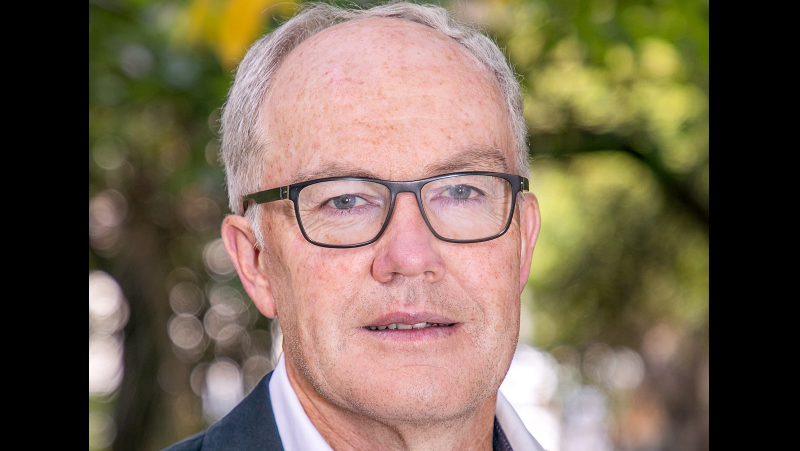
Meet Professor Gregory Cook
Professor Gregory Cook is the new Head, School of Biomedical Sciences, Faculty of Health. QUT.